What Arborists Notice in The First Five Minutes That Most People Never See
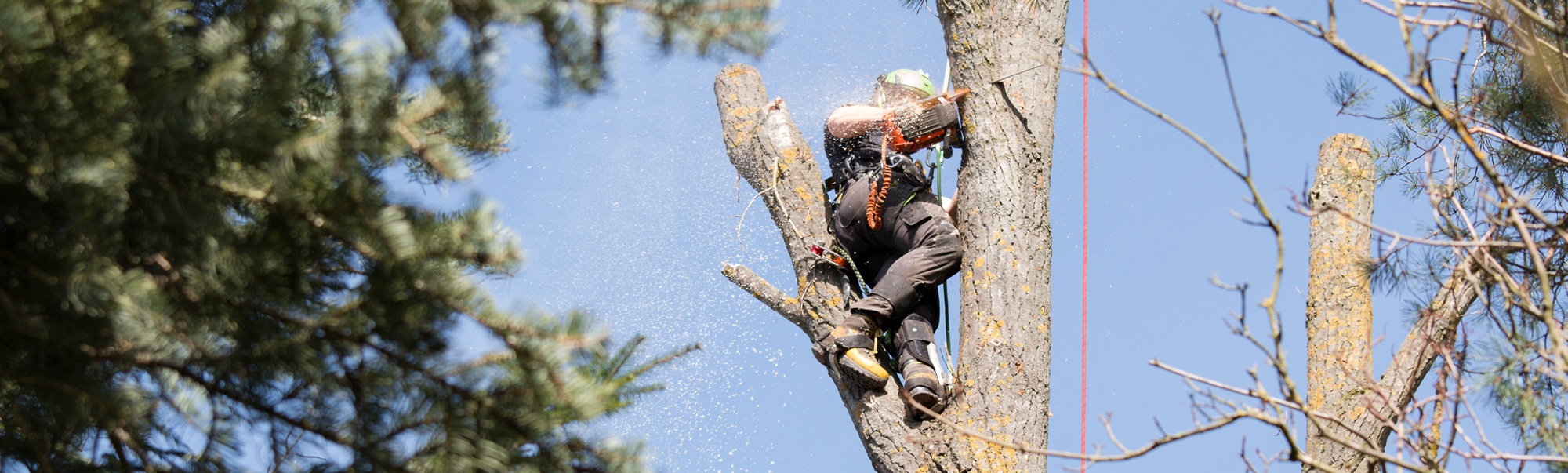
A tree rarely fails without warning. It creaks quietly long before it cracks. The problem is that most of those warnings live below eye level, inside the trunk, or underground where roots twist through saturated soil. Homeowners often notice trouble only after a branch drops or a storm exposes weaknesses that were already there. This is where tree service in Vancouver WA becomes essential—not just to cut or remove trees, but to evaluate risk before failure ever happens. Arbor City Tree Care approaches every job with trained eyes, diagnostic tools, and a deep understanding of how trees behave in the Pacific Northwest.
A professional tree service evaluates structural failure risk by assessing trunk integrity, root stability, canopy balance, disease presence, soil conditions, and environmental stress. Certified arborists use visual inspections, diagnostic technology, and industry standards to determine whether pruning or removal is necessary to prevent sudden, dangerous failure.
Why “It Looks Fine” is The Most Dangerous Assumption You Can Make
Trees are excellent at hiding stress. A canopy can stay green while the trunk hollows from the inside. Leaves can look healthy even as roots lose their grip in soft, shifting soil. One of the most common “People Also Ask” questions is simple: How do arborists know when a tree is dangerous? The answer lies in training, pattern recognition, and understanding how structural failure actually develops.
In Vancouver, WA, soil conditions stay moist much of the year. That moisture feeds growth—but it also accelerates decay and weakens root plates. Add windstorms common across Clark County and surrounding areas, and even mature western red cedars can become unstable. Arborists evaluate trees as living structures, not just plants. They consider weight distribution, load transfer through the trunk, and how environmental forces interact with that structure over time.
What looks like a healthy tree to a homeowner can already be in the early stages of failure. Professionals don’t wait for visible collapse. They read the warning signs long before that point.
The Structural Red Flags Homeowners Miss (And Why They Matter)
Many trees that fail were “fine” the week before. The reason isn’t sudden weakness—it’s unrecognized stress building quietly for years. Arbor City Tree Care routinely finds the same overlooked issues during evaluations.
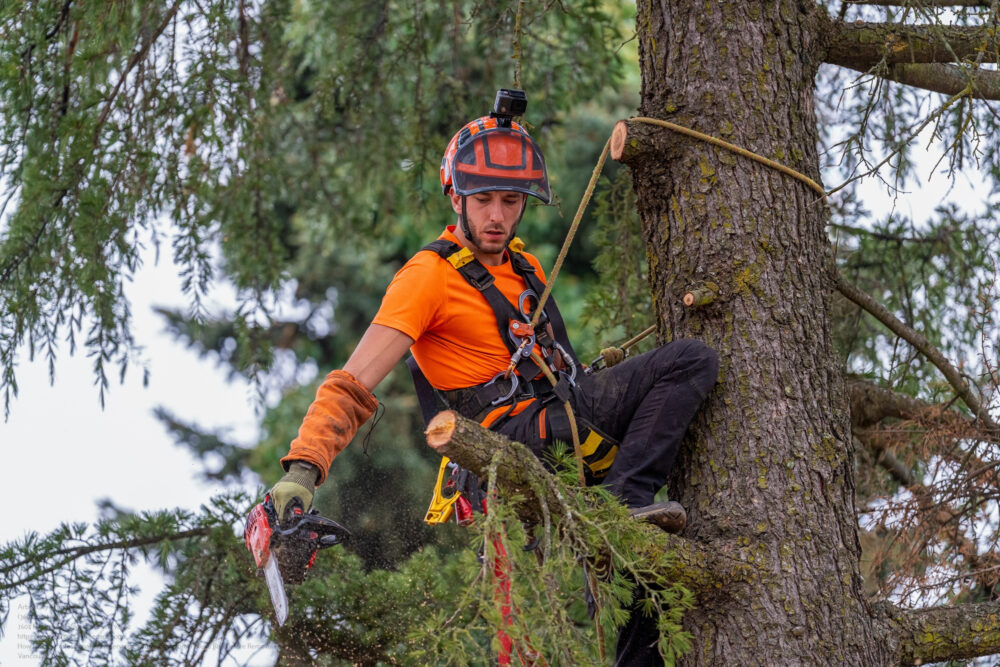
One major problem is internal decay. A trunk can lose significant internal strength while maintaining its outer shell. Arborists test for hollowness, cracks, and soft spots that indicate compromised structural integrity. Another issue is root damage. Tree roots anchor and feed the tree, but heavy rainfall, construction, and compacted soil weaken their hold. When roots fail, trees don’t bend—they tip.
Canopy imbalance is another silent threat. Uneven growth causes weight to pull consistently in one direction, increasing leverage during storms. Improper past pruning often makes this worse. Disease presence also plays a role. Fungal infections, insect damage, and rot affect how wood fibers hold stress.
DIY evaluations rarely account for how these factors interact. Professionals evaluate the entire system—roots, trunk, canopy, and environment—before deciding whether tree pruning, tree trimming, or tree removal is the safest option.
Thinking About Professional Tree Service?
Contact Arbor City Tree Care Today For Expert Guidance.
Why Structural Risk Assessment Protects More Than Just the Tree
Evaluating failure risk isn’t about saving or removing trees blindly. It’s about protecting people, property, and long-term landscapes. When structural risks go unnoticed, the results can be severe: damaged roofs, crushed vehicles, blocked driveways, and injuries that could’ve been prevented.
Professional assessments help homeowners avoid emergency tree removal situations, which are often more expensive due to urgency, heavy equipment, and debris hauling. Prices vary based on economic factors, equipment needs, and site access—but prevention is always more cost-effective than reaction.
Arbor City Tree Care brings certified arborists with deep background knowledge to each site. They evaluate property types differently—residential yards, commercial lots, and mixed landscape environments each present unique risks. Structural evaluations also reduce customer concerns by replacing guesswork with clear, professional explanations. When homeowners understand why a tree poses a risk, decisions feel easier and safer.
This is where tee service adds real value—not just cutting trees, but preventing damage before it happens.
How Professionals Actually Assess Failure Risk Step-by-Step
Tree risk assessment isn’t a single glance or a checklist. It’s a layered process that combines experience with diagnostic technology.
First comes visual inspection. Arborists examine tree leaves, branching patterns, trunk taper, and visible cracks. Then they evaluate the base—checking soil conditions, root flare visibility, and signs of upheaval. Next, they assess past pruning practices. Poor cuts often create weak attachment points that fail years later.
In some cases, arborists rely on diagnostic technology to evaluate internal decay or structural weakness not visible from the outside. They also consider external stressors: nearby structures, power lines, zoning standards, and exposure to wind corridors.
While each tree is unique, professionals generally follow industry standards and OSHA safety standards to ensure accurate, consistent evaluations. This is especially important when deciding between corrective pruning and full removal.
The goal isn’t to remove trees unnecessarily. It’s to intervene at the right time, in the right way, to prevent catastrophic failure.
A Real-World Scenario: When One Crack Changed the Plan Entirely
During a routine visit in Vancouver, a homeowner requested tree trimming to clear branches over a driveway. At first glance, the tree looked stable. But Arbor City Tree Care’s arborist noticed a subtle vertical crack running along the trunk’s shaded side—something most people would dismiss as surface damage.
Closer inspection revealed internal decay spreading downward toward the root system. The tree wasn’t just overgrown; it was structurally compromised. Pruning alone would’ve shifted weight and accelerated failure.
Instead of a simple trim, the arborist recommended controlled tree removal before storm season. The homeowner avoided a potential collapse that could’ve damaged vehicles and blocked access to the property. The takeaway was simple but powerful: professional evaluations change outcomes. What starts as routine maintenance can uncover hidden dangers only trained eyes catch.
What Homeowners Should Remember About Structural Tree Risk
If there’s one lesson worth remembering, it’s this: trees don’t fail randomly. Structural problems develop gradually, influenced by soil conditions, pruning history, disease, and environmental stress.
Ignoring small signs leads to big consequences. Calling a professional early allows for safer solutions—sometimes pruning, sometimes removal, always informed by evidence rather than assumptions.
Homeowners across the Pacific Northwest benefit most when tree care decisions are proactive instead of reactive. Regular evaluations from tree service reduce emergency situations, protect property, and keep landscapes safe and healthy.
Why Arbor City Tree Care is the Right Choice for Structural Tree Evaluation
We at Arbor City Tree Care provide the best solutions to our customers. Structural failure risk isn’t something we guess at—it’s something we evaluate carefully, methodically, and responsibly using certified arborists, industry standards, and real-world experience.
We’re proud to showcase our excellent tree services, from precise tree pruning and thoughtful tree trimming to responsible tree removal when safety demands it. Our team listens to customer concerns, explains findings clearly, and tailors every solution to your tree needs and landscape environments.
Protecting your property starts with informed decisions and trusted professionals—and that’s exactly what tree service in Vancouver WA is meant to deliver. When safety matters and uncertainty isn’t an option, contact Arbor City Tree Care for expert tree service.
Thinking About Professional Tree Service?
Contact Arbor City Tree Care Today For Expert Guidance.