The Quiet Forces Inside Trees that Arborists Notice Long Before Anything Breaks
Trees rarely collapse without warning. Long before a branch splits or a trunk gives way, subtle biomechanical stresses begin building inside the tree’s structure. Weight distribution shifts, roots weaken in saturated soil, and microscopic fractures develop within the wood fibers. These changes often go unnoticed by property owners, yet they are precisely the signals trained arborists analyze during professional inspections. That’s why homeowners seeking tree service in Vancouver WA, rely on Arbor City Tree Care to evaluate structural risk before pruning or removal begins.
Professional arborists combine scientific observation with real-world experience. By assessing how environmental pressure, structural load, and biological decay interact, they can predict whether a tree will remain stable or eventually fail.
A professional tree service evaluates biomechanical stress by analyzing trunk stability, branch weight distribution, root anchoring, decay patterns, and soil conditions. Certified arborists apply professional standards and arboricultural science to determine whether pruning, cabling, or removal is required to prevent structural failure of trees.
Why Tree Service Specialists Look at Trees Like Engineers, Not Gardeners
Professional arborists evaluate trees the way structural engineers evaluate buildings. The canopy functions like a roof, distributing weight; the trunk acts like a load-bearing column; and the roots anchor everything in place.
A common “People Also Ask” question is: How do arborists know when a tree might fail?
They examine multiple biomechanical signals:
- Trunk taper and compression strength
- Branch attachment angles
- Weight distribution across the canopy
- Root plate stability and soil conditions
- Early indicators of decay or pest damage
In the Pacific Northwest, these evaluations become even more important. Western red cedars and Douglas firs thrive in the moist climate of Clark County and surrounding areas, such as Battle Ground and Hearthwood Park. However, the same wet soil that promotes growth can weaken root anchoring during storms.
Tree specialists, therefore, evaluate each tree as a dynamic structure constantly responding to wind pressure, moisture, and biological stress.
5 Misjudgments that Cause Trees to Fail Long Before Removal is Considered
Structural failures rarely occur without warning. They often result from overlooked conditions or misinterpretations of how trees respond to stress.
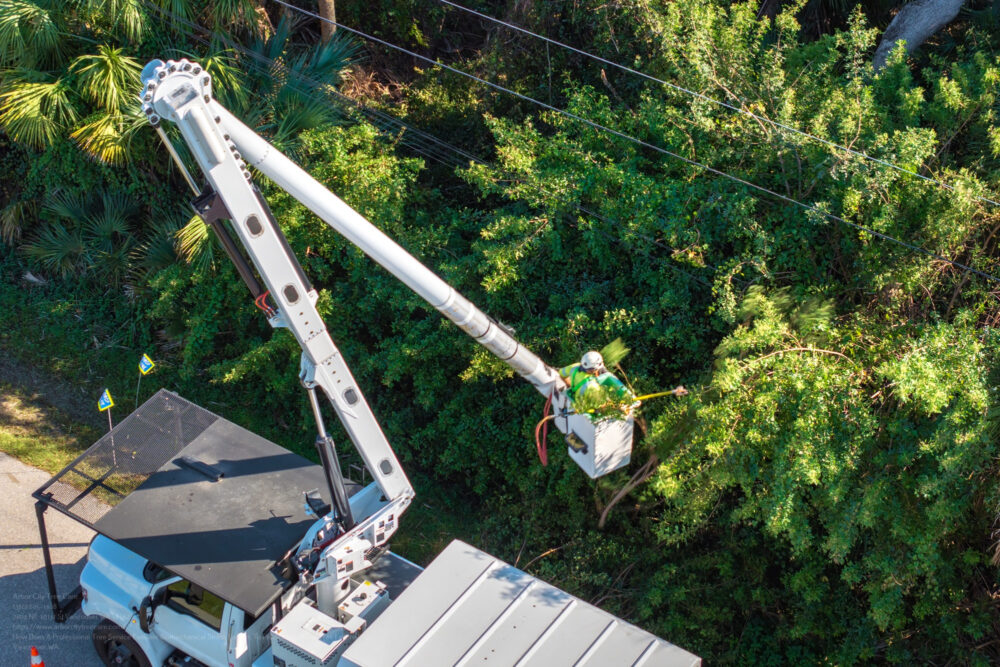
1. Assuming green leaves mean the tree is healthy: A canopy may appear vibrant while decay spreads internally through the trunk.
2. Ignoring soil movement around roots: Soft or shifting soil weakens root stability. Soil and root protection are essential in the Pacific Northwest climate.
3. Incorrect pruning practices: Improper cuts alter weight distribution and can increase biomechanical stress rather than relieve it.
4. Overlooking early decay signs: Fungi, bark separation, and insect damage often signal structural weakening long before visible collapse.
5. DIY tree trimming without hazard assessment: Many homeowners underestimate how quickly a limb can fail under tension.
According to guidance from the International Society of Arboriculture, improper pruning and structural neglect significantly increase the risk of failure during storms. Their research highlights the importance of professional hazard assessment before major tree work is attempted.
Arbor City Tree Care frequently addresses these issues during property evaluations, ensuring structural risks are corrected before they escalate into emergencies.
Need Professional Tree Service Advice?
Contact Arbor City Tree Care Today for Expert Guidance.
Why Early Biomechanical Analysis Protects Homes, Landscapes, and Safety
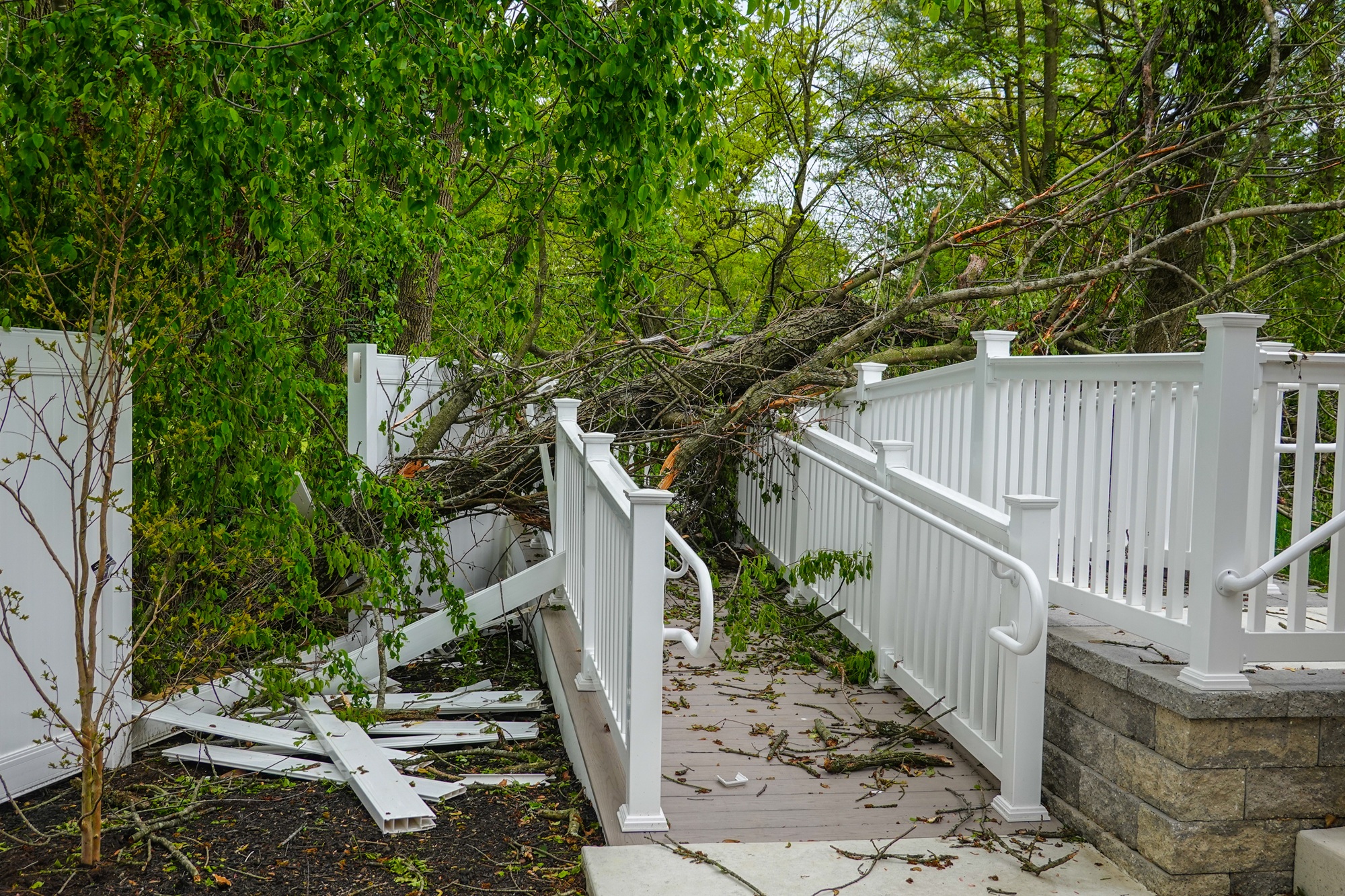
Trees enhance property value, shade homes, and shape entire landscape environments. However, when structural stress accumulates, they can quickly become hazardous trees that can damage roofs, vehicles, and nearby structures.
Professional evaluations provide several long-term advantages:
First, they prevent tree-related emergencies. Emergency tree services often involve heavy equipment, debris removal, and rapid response crews. Costs vary depending on labor availability and economic conditions, but proactive inspections are almost always less expensive.
Second, early assessment supports long-term maintenance. Arborists can recommend tree pruning, tree trimming, or tree cabling and bracing to stabilize the structure rather than removing the tree entirely.
Third, professional hazard assessment ensures compliance with safety regulations, such as ANSI and OSHA standards. These professional standards protect both workers and homeowners during complex operations.
By identifying structural problems early, Arbor City Tree Care helps preserve trees whenever possible while prioritizing safety and structural stability.
How Certified Arborists Measure Structural Stress Before Tree Removal
Biomechanical analysis involves a structured evaluation process combining observation, experience, and specialized tools.
Certified arborists typically follow a systematic approach:
- Visual structural assessment: Arborists evaluate trunk alignment, canopy symmetry, and branch attachments to detect abnormal load distribution.
- Root system analysis: Tree roots anchor the structure. Signs of soil heaving, compaction, or root decay indicate potential instability.
- Decay detection Diagnostic technology helps identify internal rot invisible from the outside.
- Environmental pressure analysis: Wind exposure, nearby structures, and soil saturation all influence stress levels.
- Risk categorization: Arborists classify structural risk levels to determine whether pruning, cabling, or tree removal is the safest solution.
These steps ensure every decision aligns with professional arboricultural standards and modern tree care science.
Throughout these evaluations, tree service professionals in Vancouver WA, consider both immediate safety concerns and long-term structural health.
What Experienced Arborists Learn After Evaluating Thousands of Trees
Arborists develop intuition through years of field experience. Arbor City Tree Care’s tree experts have evaluated countless trees across Clark County landscapes, from residential yards to wooded properties.
One recurring pattern: structural failure often begins with minor imbalances.
A branch growing slightly heavier on one side. A root plate is weakening slowly beneath wet soil—a trunk cavity forms where water collects.
Individually, these signs may seem insignificant. Together, they create the biomechanical conditions that eventually lead to failure.
For example, during a recent inspection in the Hearthwood Park neighborhood, an arborist noticed subtle stress cracks forming where two large limbs met. The homeowner had requested simple view pruning. However, further analysis revealed internal joint decay.
Instead of routine pruning, the arborist recommended targeted limb removal and cabling to stabilize the tree. The correction prevented what could have become a serious tree-related emergency during winter storms.
Practical takeaway: structural risks are rarely dramatic. They are subtle patterns that only trained professionals recognize early.
The Key Lessons Homeowners Should Remember about Tree Stability
Biomechanical stress is invisible until it becomes dangerous. A tree may appear stable while hidden weaknesses accumulate inside its trunk or root system.
Regular property evaluations allow arborists to monitor changes over time and recommend proactive care such as pruning practices, soil improvement, or tree cabling and bracing.
Homeowners across Vancouver, WA and the surrounding Pacific Northwest benefit most when tree care decisions are based on professional hazard assessment rather than visible symptoms.
Reliable inspections by tree service providers in Vancouver WA ensure trees remain healthy, stable, and safe throughout their lifespans.
Why Choosing Arbor City Tree Care is the Smartest Decision for Your Trees
We at Arbor City Tree Care provide the best solutions to our customers. Our team understands that tree care is not simply about cutting branches—it’s about evaluating structural forces, protecting landscapes, and ensuring long-term safety for every property we serve.
We take pride in showcasing our excellent tree services, including precise pruning, careful trimming, and responsible removal when structural risks require it. Our certified arborists evaluate biomechanical stress, soil conditions, and environmental pressures to ensure each tree receives the right treatment.
When your property needs trusted expertise, contact Arbor City Tree Care for expert tree service in Vancouver, WA. With our professional evaluations and dedication to safety, your trees remain healthy, stable, and secure with tree service in Vancouver WA.
Need Professional Tree Service Advice?
Contact Arbor City Tree Care Today for Expert Guidance.