The Ground Beneath the Tree Often Decides Whether Removal Stays Safe or Turns Risky
A tree may tower overhead, but its real stability begins underground. Before large-scale removal starts, arborists spend significant time studying the soil, root spread, and pressure zones surrounding the tree. Why? Because the biggest danger during removal sometimes isn’t the falling canopy—it’s the hidden instability below the surface. That’s one reason homeowners seeking tree removal in Vancouver WA, often rely on Arbor City Tree Care to evaluate soil compression and root shear conditions before any cutting begins.
Professional tree removal teams assess soil density, root anchoring, underground stress points, and the impact of heavy equipment before dismantling large trees. These evaluations help prevent unexpected shifts, unstable ground conditions, and dangerous root failures during removal operations.
Before large-scale tree removal begins, arborists evaluate soil compression, root shear strength, moisture content, and underground stability. These factors influence how safely trees can be dismantled using heavy equipment and rigging systems, while reducing the risk of collapse, soil failure, and property damage during controlled removal operations.
Why the Most Dangerous Part of Tree Removal is Sometimes Underground
Most property owners focus on the visible portion of a tree. Arborists focus on what they can’t immediately see.
Large trees rely on root systems spreading far beyond the trunk base. Those roots constantly interact with moisture levels, compacted soil, nearby construction, and changes in underground pressure. In Vancouver WA and throughout Clark County, persistent rainfall creates fluctuating soil density that can significantly affect tree stability.
A common “People Also Ask” question is: What causes trees to shift suddenly during removal?
Often, the answer involves root shear. Root shear occurs when the soil can no longer resist the horizontal force applied to roots during cutting or dismantling. Once anchoring fails, the entire tree may rotate or collapse unpredictably.
This becomes especially important when removing mature maple tree specimens, Heritage Tree structures, or heavily weighted Maple trees growing near homes, sidewalks, or retaining walls. Arborists evaluate whether the surrounding soil can withstand vibration, rigging forces, and equipment weight before the first cut is made.
5 Overlooked Ground Conditions that Create Serious Removal Hazards
Tree failures during removal don’t always result from poor cutting technique. In many cases, unstable ground conditions are the real problem.
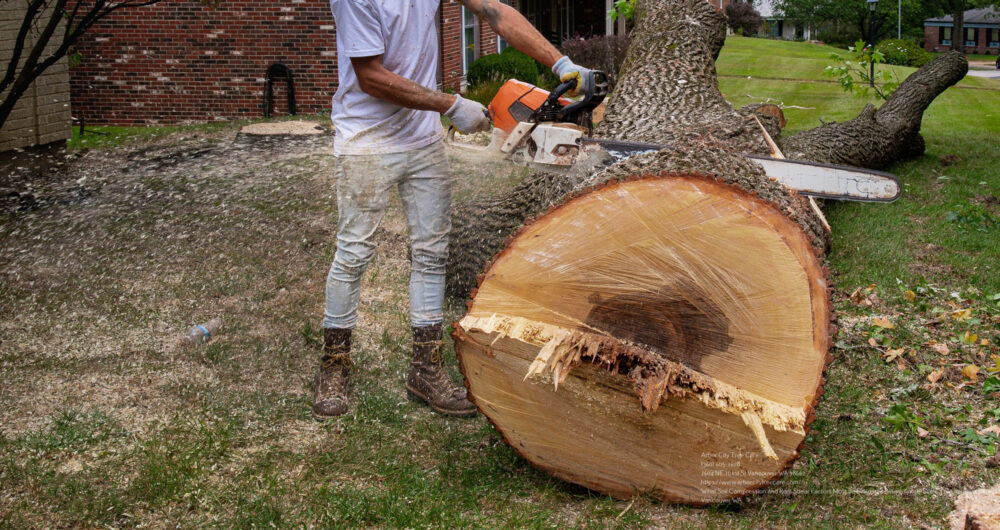
- One major issue involves soil compaction from previous landscaping or construction work. Compacted soil prevents healthy root expansion and alters drainage patterns beneath the tree. Arbor City Tree Care frequently encounters this near urban properties where driveways, patios, or retaining walls compress root zones over time.
- Another common problem is oversaturated soil. Pacific Northwest rainfall softens underground support structures, increasing the likelihood of root plate movement during removal. Tree workers must carefully account for these moisture changes.
- Improper placement of heavy equipment creates additional risks. Large machinery can intensify soil compression around weakened roots, especially during storm damage cleanup operations.
- Arborists also watch for hidden decay spreading through root systems. Fungal deterioration weakens underground stability long before visible canopy symptoms appear.
- Finally, many property owners underestimate the effect of nearby grading projects on root shear strength. Even minor elevation changes alter how roots distribute force through the surrounding ground.
According to the International Society of Arboriculture, improper root-zone disturbance significantly increases the risk of tree instability and contributes to avoidable removal accidents. Their guidance strongly emphasizes evaluating underground structural support before large-scale dismantling begins.
Need Professional Tree Removal Assistance?
Contact Arbor City Tree Care today for trusted service.
Why Tree Removal in Vancouver WA Requires More Than Chainsaws and Climbing Gear
Large-scale removals involve far more than cutting limbs. Every movement above ground creates pressure changes below it.
Professional arborists analyze how weight transfers through the root system during sectional dismantling. When large canopy sections are removed unevenly, underground stress redistributes rapidly. Without proper planning, this can cause soil collapse or unexpected trunk rotation.
This is especially important in dense urban forest environments across Vancouver, WA where nearby structures limit maneuvering space. Arbor City Tree Care evaluates surrounding slope conditions, drainage patterns, and neighboring root competition before removal begins.
Professional evaluations also reduce safety concerns for workers and property owners alike. Arborists following ANSI standards and OSHA regulations assess whether specialized equipment or alternative rigging methods are needed to stabilize the removal process.
There’s also a financial reason these evaluations matter. Sudden ground shifts can damage irrigation systems, patios, sidewalks, or utility access areas. Repair costs vary depending on material availability, regional labor rates, and the severity of structural damage, but preventive planning almost always reduces long-term expenses.
That’s why experienced tree removal in Vancouver WA professionals spend as much time studying the ground as they do studying the canopy.
How Arborists Evaluate Soil Compression Before Large Trees Come Down
Soil compression analysis combines visual inspection, environmental awareness, and field experience. Arborists study how the ground reacts under pressure before determining the safest removal approach.
Several critical factors influence the evaluation:
- Soil moisture and drainage behavior
- Root spread and anchoring depth
- Evidence of compaction or erosion
- Nearby structures and underground utilities
- Weight distribution from heavy equipment
Certified arborists also examine surrounding vegetation. Blackberry Removal, Brush Clearing, or Blackberry/Ivy removal projects sometimes expose root instability previously hidden by overgrowth.
In some cases, arborists recommend gradual quartering of trees rather than aggressive dismantling. This reduces sudden force changes within the root plate and minimizes soil displacement.
Professional tree services may also adjust equipment placement to avoid overloading weak areas. Wood chipper services, stump grinding equipment, and cranes all create varying levels of surface pressure. Proper placement protects underground stability during removal operations.
These details matter because root systems behave differently across species, ages, and environmental conditions.
One Rain-Soaked Removal Site Completely Changed the Plan
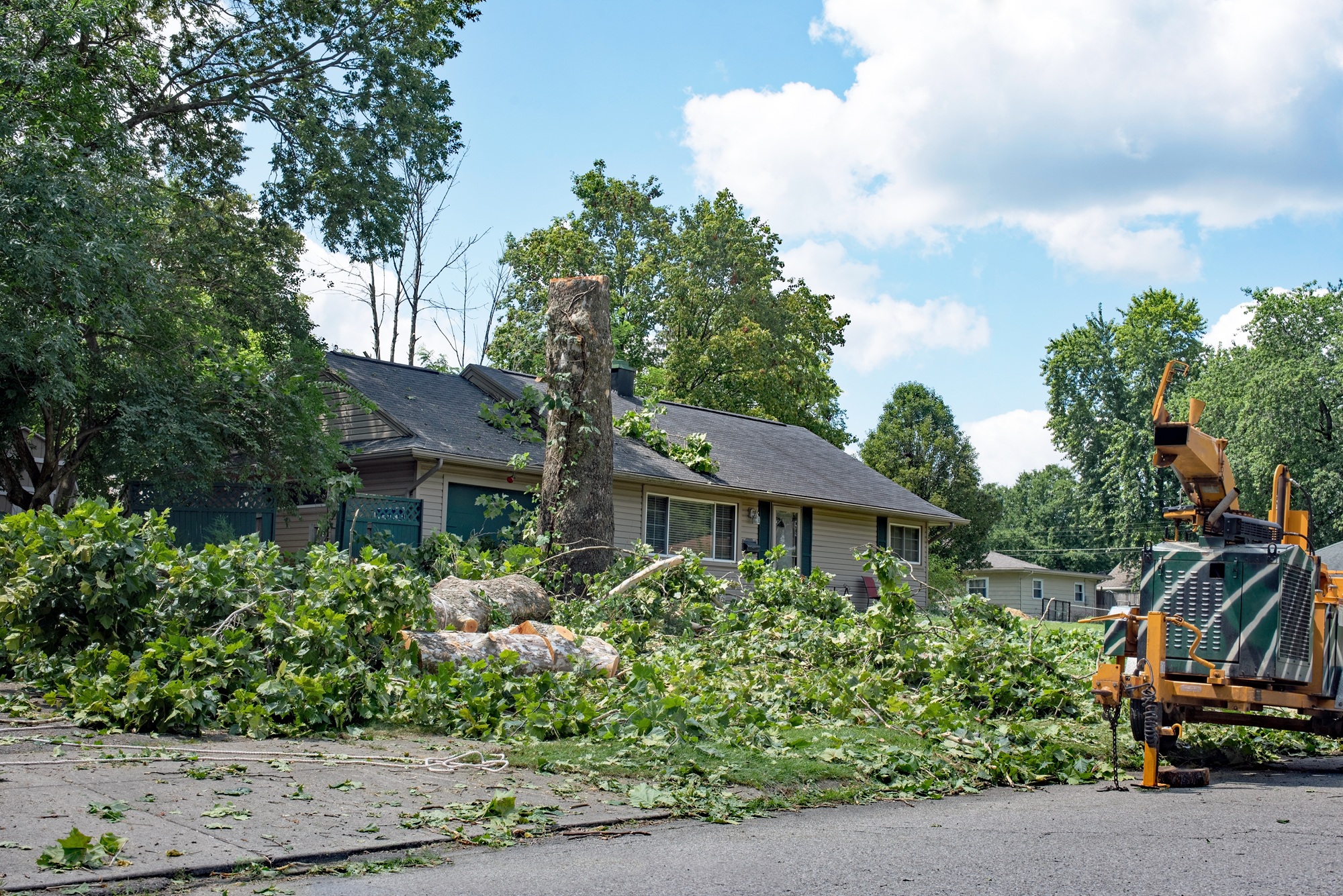
After heavy winter rainfall in Clark County, Arbor City Tree Care evaluated a large maple tree leaning toward a residential driveway. The property owner initially requested standard tree removal after noticing cracks near the base of the trunk.
At first glance, the canopy seemed stable enough for conventional sectional dismantling. But once arborists inspected the surrounding soil, they found severe saturation and visible root heaving along one side of the tree.
The original removal strategy would have concentrated too much force on weakened ground conditions. Instead, the crew adjusted the entire process.
Heavy equipment placement has changed. Rigging angles shifted. Smaller sections were lowered gradually to reduce underground pressure spikes. Arborists also avoided placing the wood chipper near the root zone to minimize further compression.
The slower approach protected the driveway, nearby landscaping, and underground utility access. More importantly, it prevented uncontrolled root shear that could have destabilized the remaining trunk structure.
The lesson was simple: underground conditions often decide whether removals stay controlled or become emergencies.
What Property Owners Should Understand Before Approving Large-Scale Removal
Trees don’t exist independently of the soil supporting them. Every removal project changes underground pressure distribution in real time.
That’s why professional help matters. Arborists evaluate how roots interact with moisture, slope conditions, nearby structures, and existing compaction before recommending removal methods.
Property owners should also understand that removal plans vary depending on environmental conditions. Wet weather, storm damage, and confined urban spaces all influence strategy. There’s no universal approach because no two sites behave exactly alike.
Reliable tree removal services in Vancouver WA, focus on protecting both the visible landscape and the hidden structural support system beneath it.
Why Arbor City Tree Care Is The Trusted Choice For Complex Tree Removal
We at Arbor City Tree Care provide the best solutions to our customers. Our team understands that successful tree removal begins long before the first branch is cut. We carefully evaluate soil compression, root stability, and underground stress conditions to ensure every removal project is performed safely and responsibly.
We’re proud to showcase our excellent tree services, including tree pruning, tree trimming, and professional Tree Removal designed around each property’s unique tree needs. Our certified arborists use industry standards, specialized equipment, and years of field experience to minimize safety concerns and protect surrounding landscapes during every project.
From storm damage cleanup to complex removals involving mature trees and unstable soil conditions, we deliver dependable customer service tailored to every Property Owner’s needs. Contact Arbor City Tree Care for expert tree services in Vancouver WA and experience the professionalism behind safe tree removal in Vancouver WA.
Need Professional Tree Removal Assistance?
Contact Arbor City Tree Care today for trusted service.